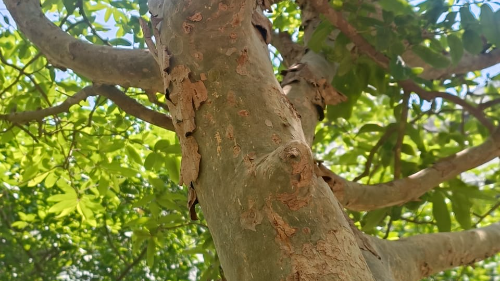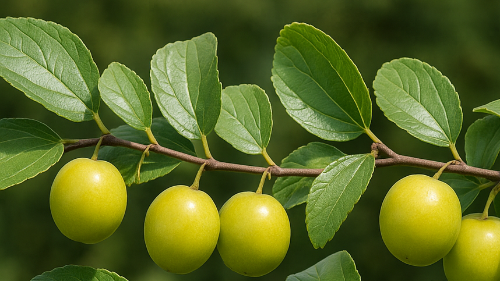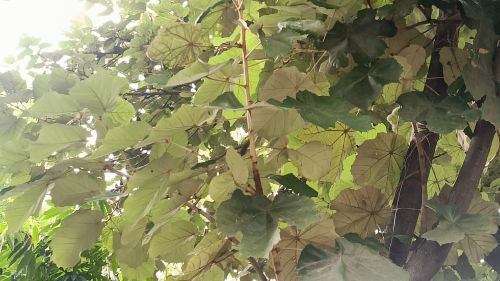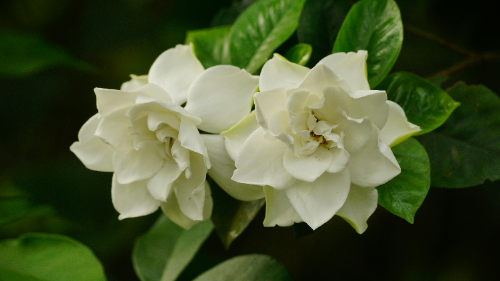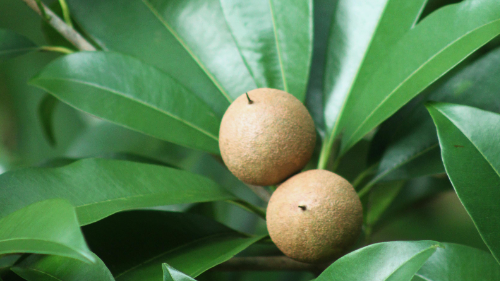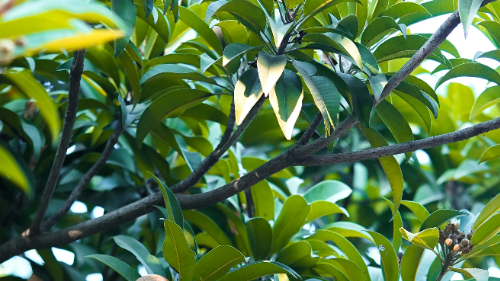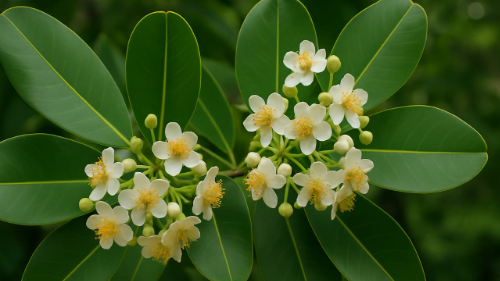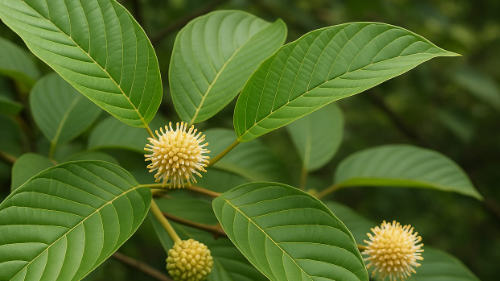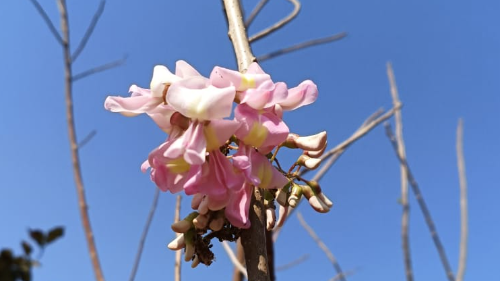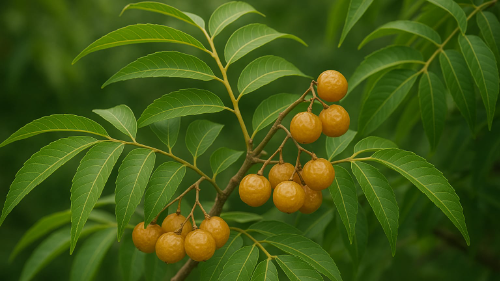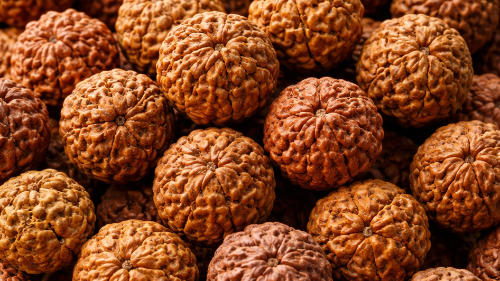

Manila Tamarind or Madras Thorn
Pithecellobium dulce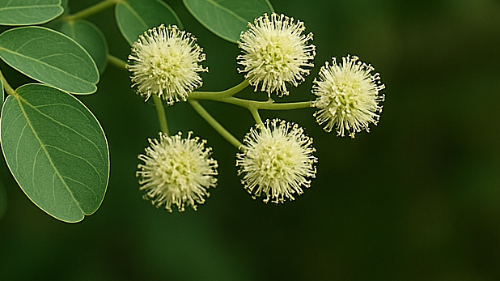
Name
| Marathi: | विलायती चिंच |
| Hindi: | जंगल जलेबी |
Biological Classification
| Kingdom: | Plantae |
| Division: | Spermatophyta |
| Sub-Division: | Angiospermae |
| Class: | Dicotyledonae |
| Sub-Class: | Polypetalae |
| Series: | Calyciflorae |
| Order: | Rosales |
| Family: | Leguminosae |
| Sub-Family: | Mimosaceae |
| Genus: | Pithecellobium |
| Species: | dulce |
Advantages
- It helps in soil nitrogen fixation being a leguminous plant.
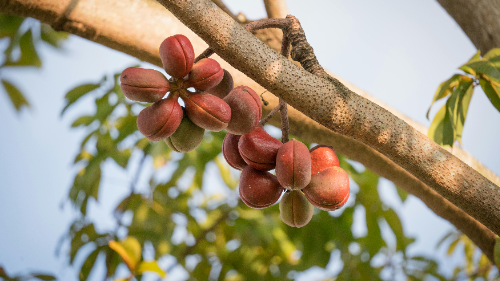
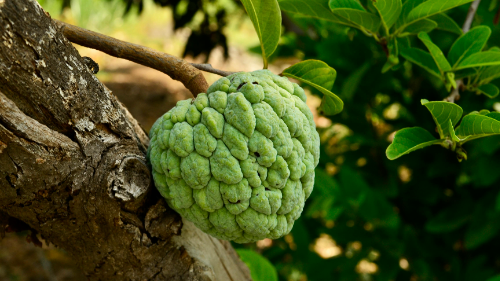
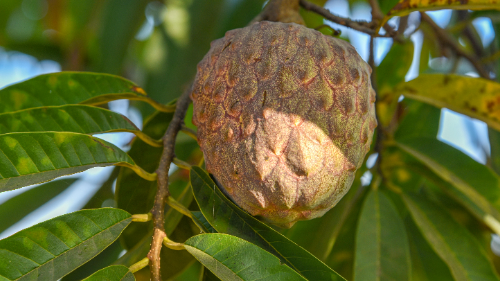
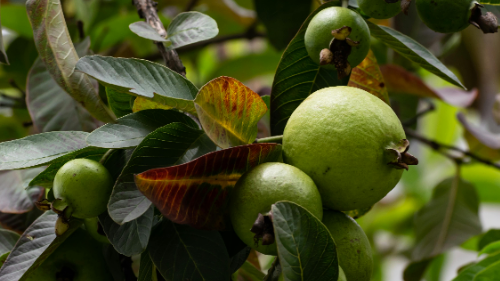
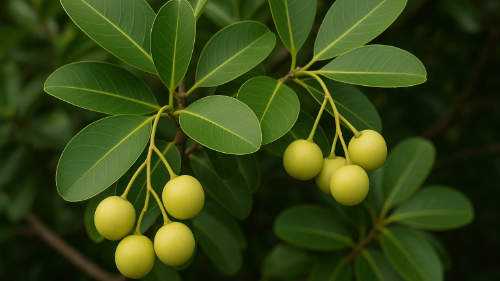
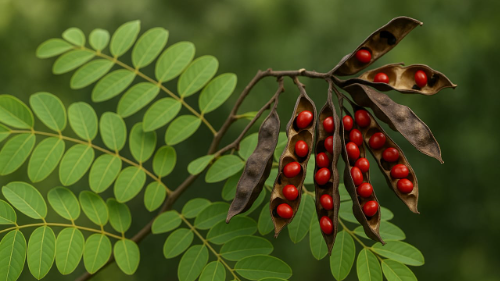
- It is cultivated everywhere for its sweet, red and pulpy aril.
Interesting Facts
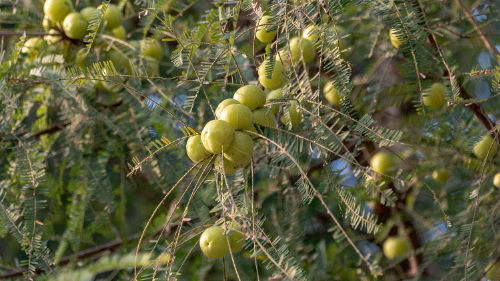
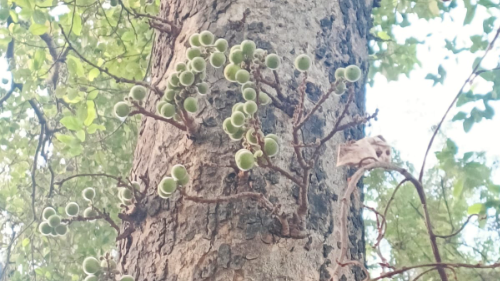
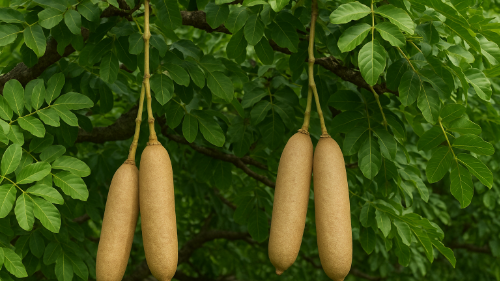
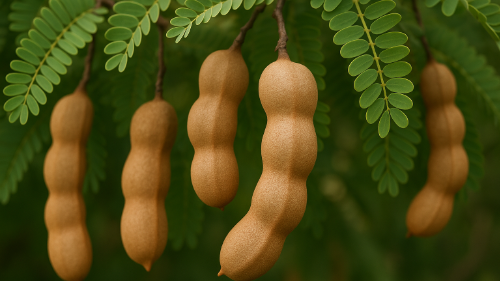
- The Genus name comes from the word "Pithekos", which means "Monkey" in Latin, and "cellobium" means earrings, which refers to shape of fruits.
- The specific name "dulce" refers to sweet, edible fruits.
Cluster Mapping with trees
| Cluster Name | Tree Numbers |
|---|---|
| TSS, SANSKRITIVIHAR | 276, 280, 284, 301, 302, 303, 304, 305, 347, 348, 350, 354, 359, 360, 361, 362, 363, 364, 365, 366, 367, 368, 369, 374, 375, 376, 377, 378, 379, 380, 381, 383, 384, 491, 492, 493, 494, 495, 496, 497, 498, 499, 500, 502, 503, 504, 505, 506, 507, 508, 509, 510, 511 |
| ENGINEERING COLLEGE | 28A |
| CEMETRY AND PRIFAB | 105 |
Description
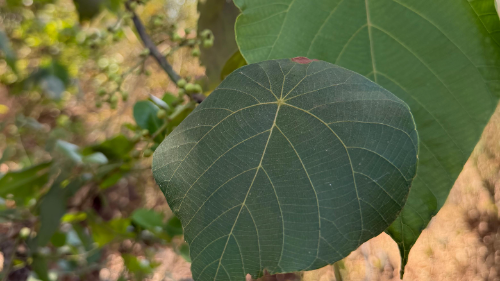
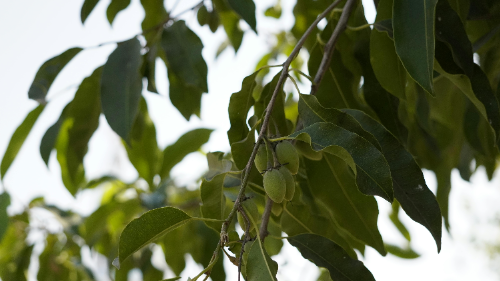
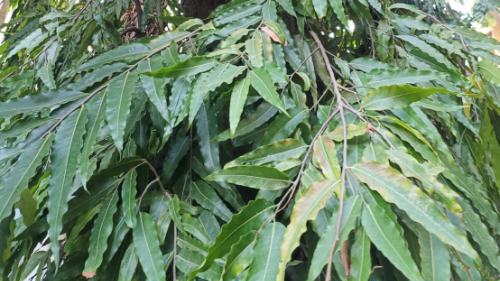
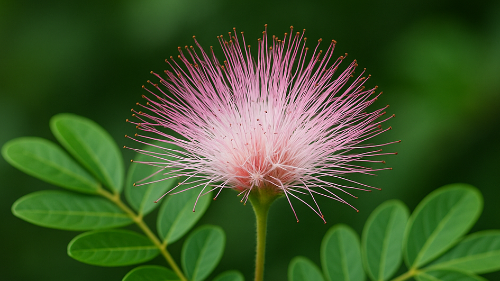
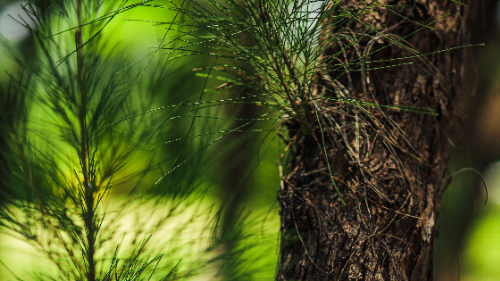
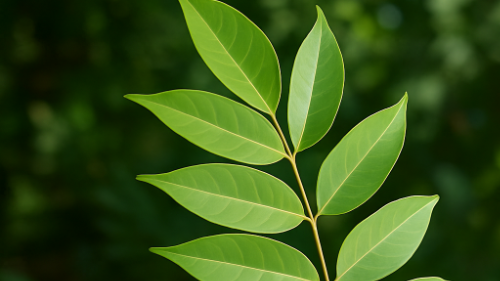
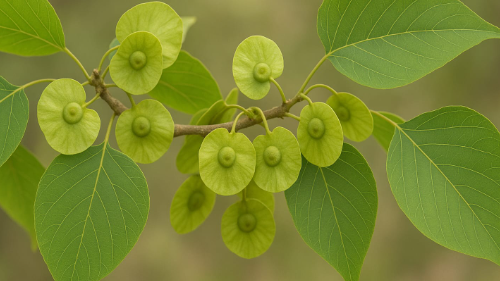
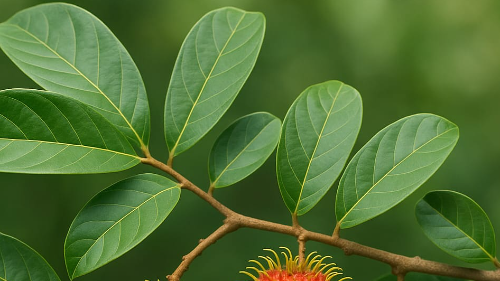
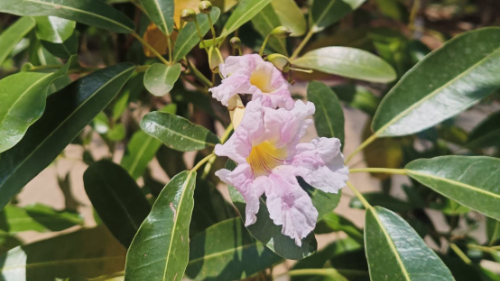
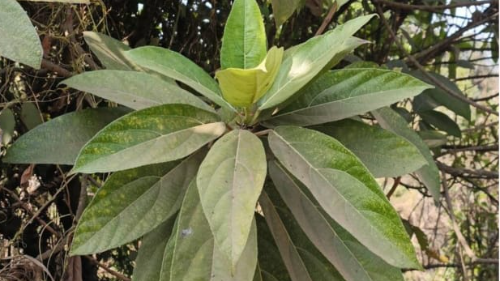
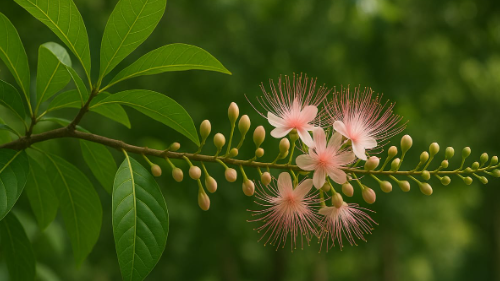
- It is a small tree armed with thorns.
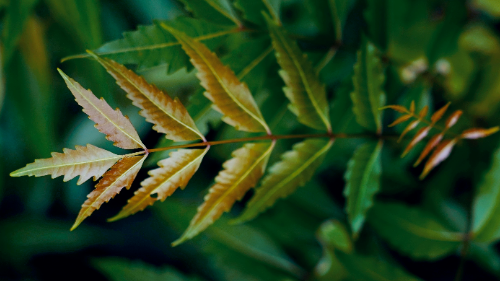
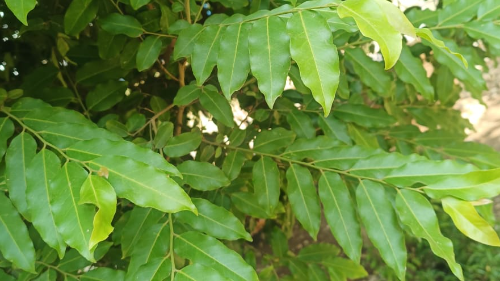
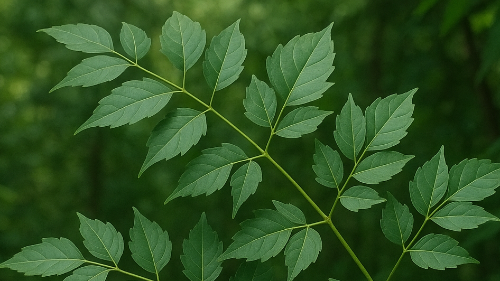
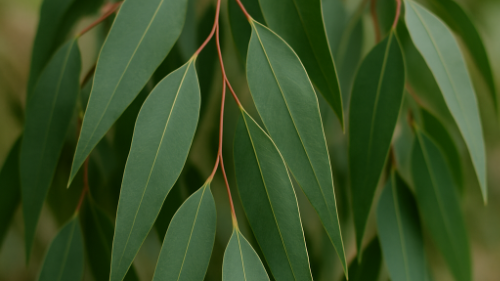
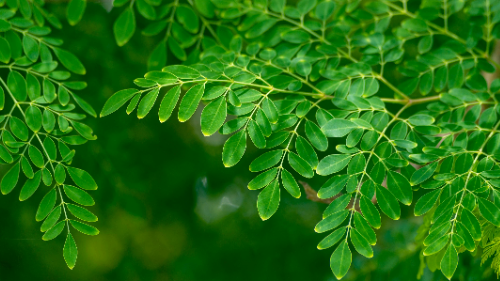
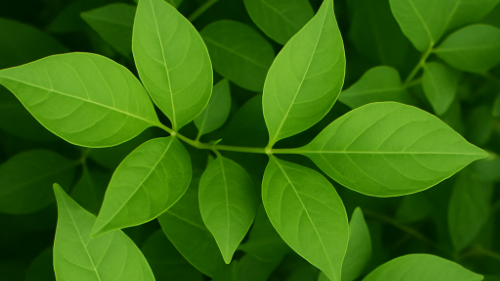
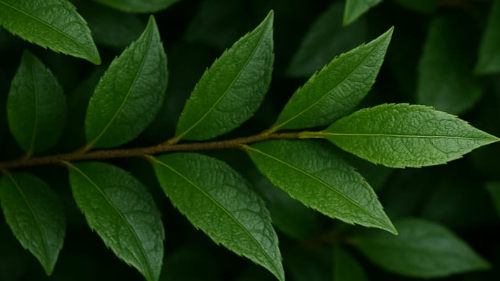
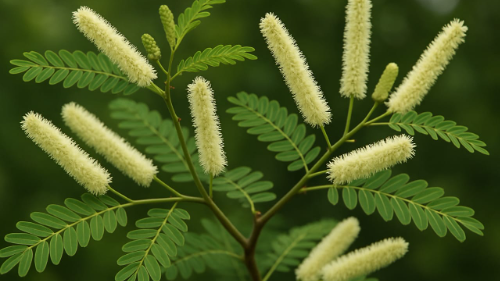
- The leaves are bipinnate and stipules are modified into spines.
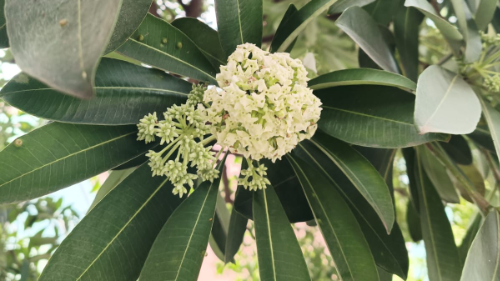
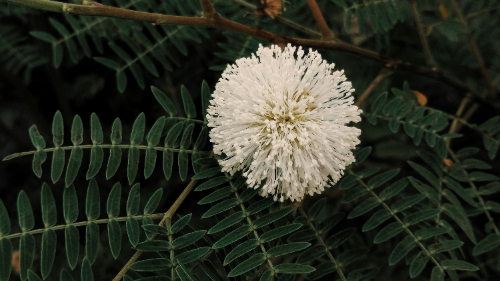
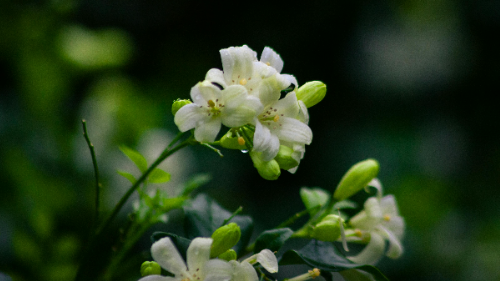
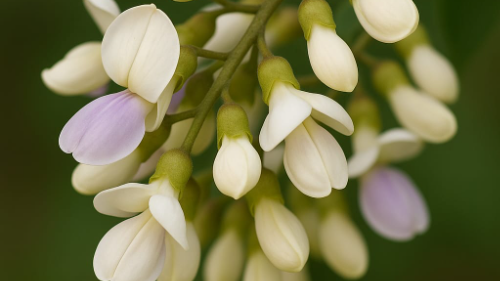
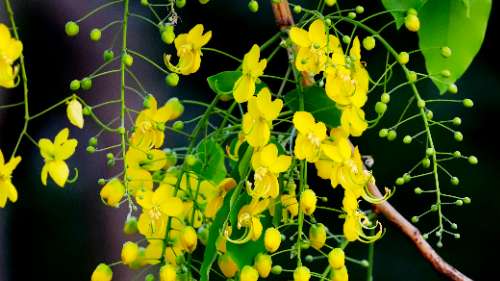
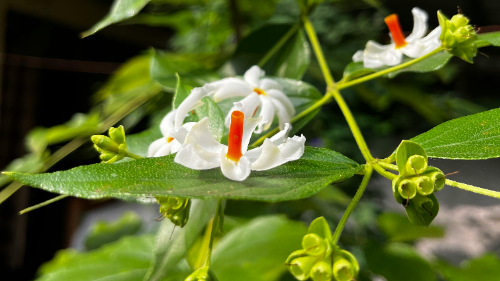
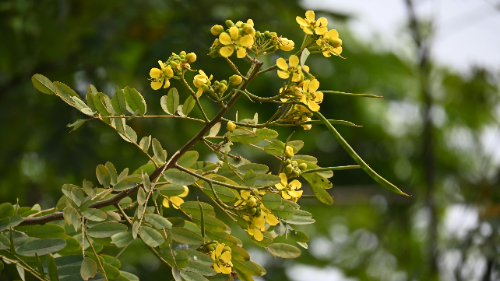
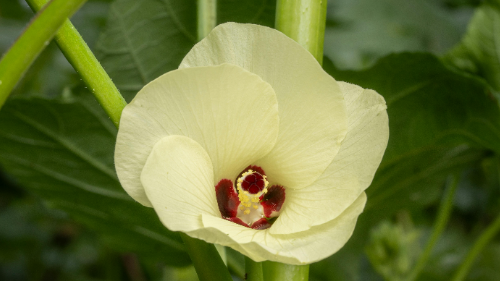
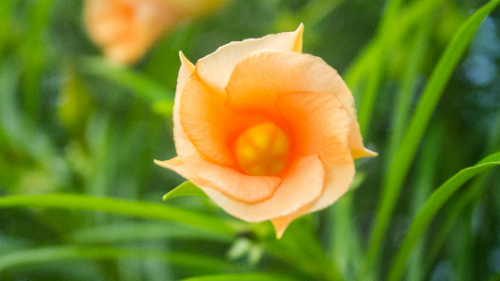
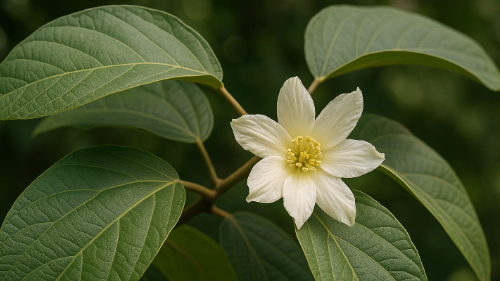
- It bears white flowers from January to March.
- Pithecellobium dulce (Roxb.) Benth.